
Our story · Since 1933
This is Rochester Airport.
A Kent airfield with a rich aviation heritage and a welcome that reaches beyond the runway.
Rochester Airport Ltd · ICAO EGTO
Maidstone Road, Chatham, Kent ME5 9SD. Tower and PPR 01634 869969.
Rooted in Medway. Looking to the skies.
A municipal airport with a place in British aviation history.
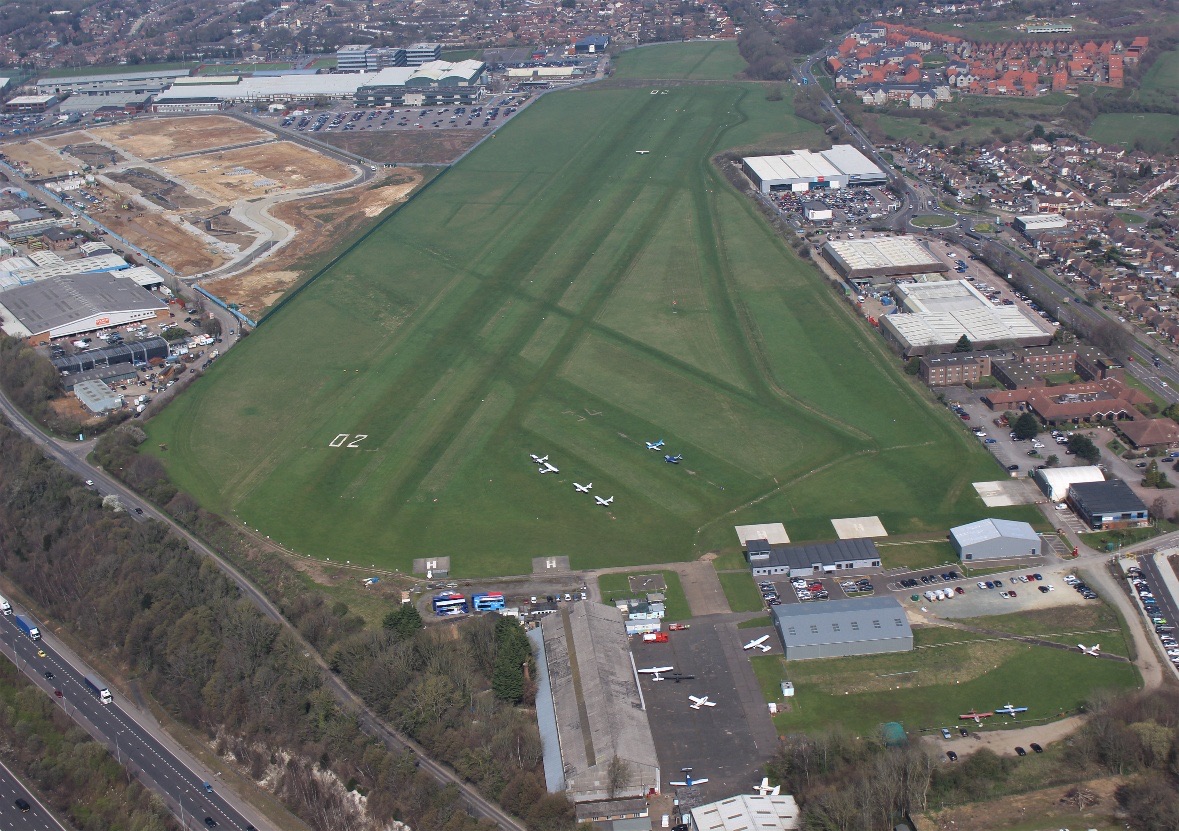
Rochester Airport has been part of the area’s aviation story since 1933. Today its grass airfield connects recreational flying, aircraft services and a community of visitors and enthusiasts.
Our identity is simple: Fly. Connect. Belong. An invitation to experience aviation and feel part of the airport around it.
Our identity
Fly. Connect. Belong.
Three core experiences Rochester Airport aims to provide.
Fly
Celebrating aviation, from learning to fly and recreational flying to commercial operations and future aviation technologies.
Connect
Connecting people, businesses, education and the wider community while strengthening Rochester Airport’s role within Medway and the region.
Belong
Creating a welcoming and inclusive airport where pilots, tenants, employees, visitors and local residents feel part of a shared community.
An aviation story, still being written
From 1933 to today.
Short Brothers, the Short Stirling and a heritage that volunteers keep alive.
1933
A municipal airport takes shape
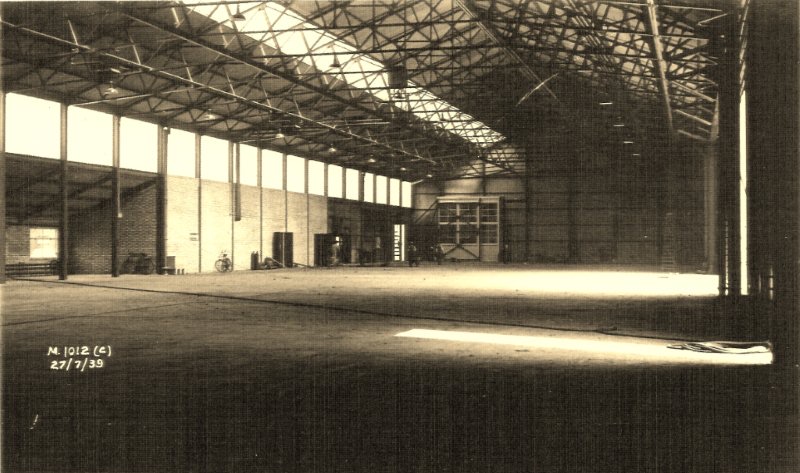
Rochester City Council purchased the land for an airport. Short Brothers soon sought to use it for test flying, beginning a close connection between the airfield and aircraft manufacturing.
1934–35
The Short Brothers connection
Short Brothers moved personnel to the site, with Pobjoy Air Motors also establishing itself nearby. The first arrival was a Short Scion flown from Gravesend.
1938–39
A place in British aviation history
Rochester played a role in the development of the Short Stirling, with the half-scale S3 flying here in 1938 and the S29 prototype following in 1939.
Today
Heritage you can connect with
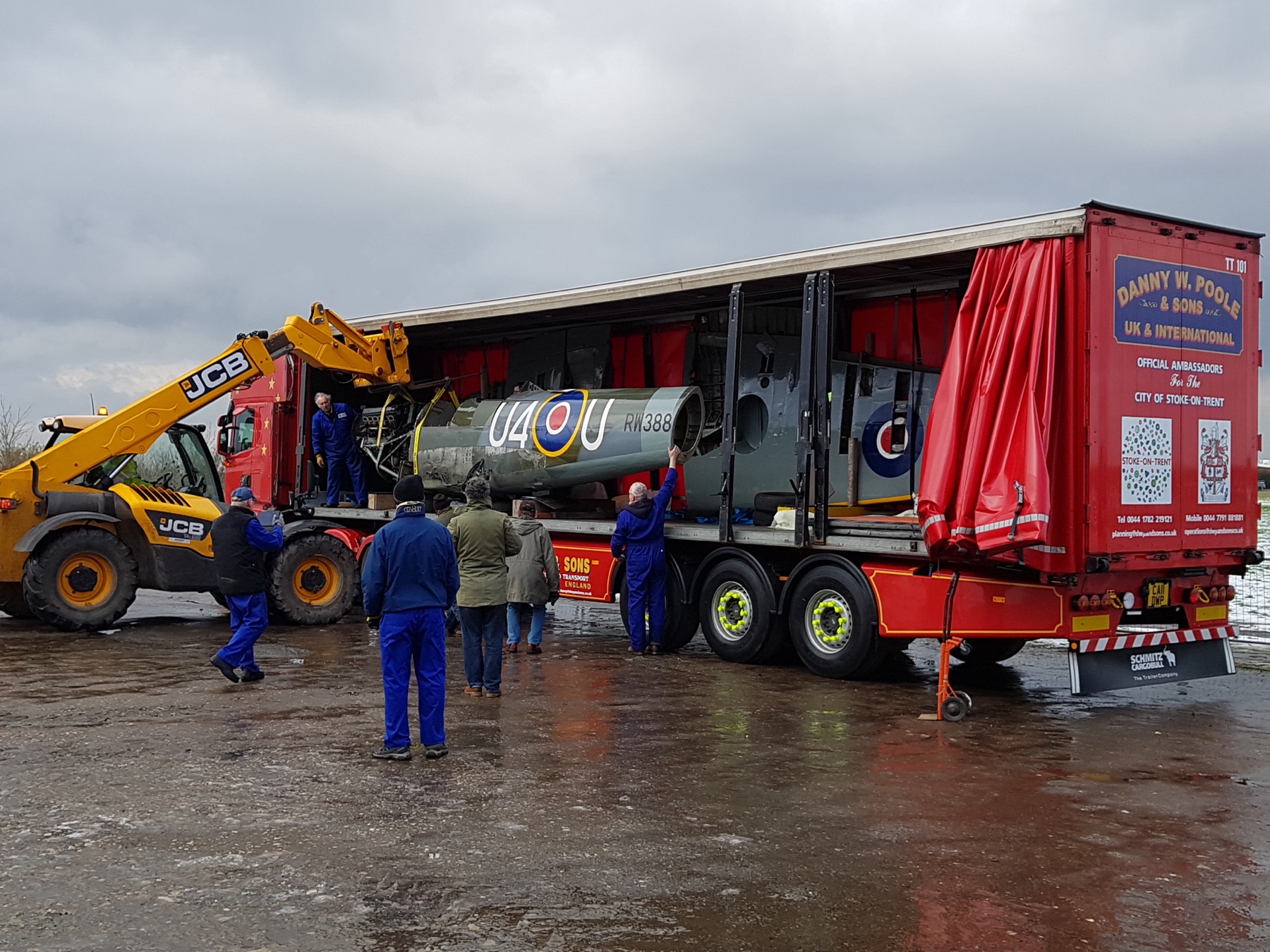
Flying and aircraft preservation continue to bring people to Rochester. MAPS volunteers keep the airport’s story accessible to new generations.
Our direction
Strategic Business Plan
(Six Pillars).
Our plan aims to develop Rochester as a safe, sustainable and professionally managed General Aviation, skills and innovation hub. It sets a direction rather than granting project approval.
01 · Lease certainty and long-term investment
Create the long-term certainty needed to unlock investment, improve infrastructure and protect aviation use, working with partners towards a stable basis for phased improvements.
02 · General Aviation Centre of Excellence
Strengthen Rochester as a General Aviation and flight-training hub in the South East, supporting aircraft owners, visitors, maintenance, fuel, hangarage and professional operational services.
03 · Aviation education and skills
Develop a regional centre for aviation skills and workforce development through partnerships, STEM engagement, work experience and training pathways.
04 · UAS/eVTOL and future aviation
Explore UAS and eVTOL training, future aviation technologies and research partnerships in a controlled way, subject to feasibility, safety, operational compatibility and regulation.
05 · Commercial and property development
Broaden the airport’s income through appropriate aviation-linked and compatible uses, supporting local businesses and reinvestment in facilities and services.
06 · Community engagement and social licence
Build trust through open communication, local participation, education, a clear route for concerns and responsible management of the airport’s impacts.
Safety underpins every objective
Growth must never compromise safety. Competent staff, effective safety management, clear procedures and regulatory compliance underpin the whole plan. Individual developments depend on business cases, funding, planning where required, regulatory requirements and engagement with stakeholders.
Sustainability
A responsible future for Rochester.
Our aspiration is to work towards net-zero emissions and reduce the environmental impact of airport activity. The strategic plan supports greener energy, responsible investment and careful exploration of future aviation technologies.
A credible pathway needs a measured starting point, a clear definition of which emissions are covered and practical milestones. We have not published a target year, emissions baseline or verified reduction figures. These are areas for assessment, not claims of completed projects.
Sustainability also means considering noise, drainage, water use, waste and the quality of the airport environment, assessed together with operational safety and the needs of nearby communities.
Fly | Connect | Belong
Be part of Rochester.
Work with us, base your aircraft or business here, or simply come and watch the flying.